October 03, 2026
Kite festival season in the UK runs from the first mild weekend of spring to the last blustery Sunday of autumn, and 2026 will follow the pattern we know well: international events on the coast, volunteer-run kite days on commons and country parks, and an awful lot of hopeful staring at wind forecasts in between.
If you have never been to one, a festival is the quickest way to understand what a kite can actually do. You will see things the size of a bus, teams flying in formation to music, and simple single-liners flown by people who have owned them for thirty years and still grin like children.
How the UK season takes shape
Dates are fixed by individual organisers, and they move. Council permissions change, tides and storms wipe out a year, and an event that ran in July one summer can appear in June the next. Treat the months below as planning guidance, then confirm the weekend on the organiser's own page before you book trains or a hotel.
Spring, March to May. Smaller events, often on National Trust land, country parks and commons. Ground can still be soft and the wind unreliable, but crowds are thinner and fliers have time to talk. This is a good time for a first visit.
Summer, June to August. The heart of the season. Coastal festivals with full arena programmes, traders, have-a-go sessions and the biggest crowds. Also the trickiest parking and the longest queues for ice cream.
Autumn, September and October. Often the best flying of the year. Steady onshore breezes, cooler air, fewer people, and the international events that anchor the calendar.
The festivals worth planning around
These are the long-running events that shape most people's season. The months given are the usual slot, not a firm booking, and one or two may pause or shift.
- Bristol International Kite Festival — Ashton Court Estate, usually early September. One of the largest in the country, with visiting international teams and a packed arena.
- Lytham St Annes International Kite Festival — the Fylde coast, typically late summer, with the beach itself acting as the arena.
- Weymouth Kite Festival — Dorset, usually late spring or early summer, right on the sand.
- Portsmouth Kite Festival — Southsea Common, generally in August.
- Brighton Kite Festival — Stanmer Park, a summer fixture with a strong family programme.
- Dunstable Downs Kite Festival — Bedfordshire, spring or summer, on a ridge that catches a reliable breeze.
- Sunderland International Kite Festival — the north-east coast, summer, with sea breezes that suit big inflatables.
- Streatham Common Kite Day — London, spring, the sort of friendly local event that suits a first attempt.
Beyond these, dozens of smaller days appear each year: village fetes with a marked kite field, park events run by local clubs, beach days timetabled around the tide. Local kite clubs are the best source for what is happening within an hour of you, and most are delighted to hear from newcomers.
What actually happens on the field
Inside the arena
Expect a running order from late morning to late afternoon: a compère on the microphone, teams flying two-line and four-line kites to music, kite trains stretching into the distance, giant character kites being inflated by a small army of helpers, and occasionally buggy racing or rokkaku battles. Displays are timetabled, so it is worth picking up a programme or photographing the board at the entrance.
Outside the arena
The rest of the site is usually a public flying field, a row of traders, and a have-a-go area where you can try a proper sport kite with someone experienced standing beside you. That last bit is the best value on the whole site. You will learn more in ten minutes of hands-on coaching than from a year of videos.
First-timer tips
- Check the organiser's page the night before. Wind forecasts change and events are sometimes called off on the morning.
- Arrive before the arena programme starts. Parking on grass fills quickly, and watching the set-up is half the fun.
- Dress for wind, not for temperature. A windproof layer, a hat that ties on and sunglasses make a bigger difference than a thick coat.
- Stay behind the rope. Never walk across a flying line, and never step over one — walk around it or wait until it goes slack.
- Fly your own kite on the public field, well away from the display area and from anyone launching.
- Supervise children near taut lines. A line under load can burn or cut a hand, so gloves are sensible for older children flying bigger kites.
- Bring water, snacks and sun cream. Coastal fields are exposed, and even a cloudy day will catch you out.
Wind, weather and the British compromise
Most kites fly well in a steady 8 to 15 mph. Below about 5 mph only the lightest designs will stay up; above 25 mph you should leave it to the experienced fliers with small, strong kites. Coastal wind is usually smoother than inland wind, which is why seaside festivals look effortless and your local park feels like hard work. Hills and buildings create swirling air, so give them room.
At beach events, check the tide times as well as the forecast. Some sites have soft mud, channels and causeways that cut off access, and a festival can empty a car park faster than you expect. Keep kites well away from power lines, roads, railways and airfields, and follow any signage on site. If you are unsure what is permitted where you plan to fly, check the Civil Aviation Authority's guidance rather than a forum thread.
Plan a season, not a weekend
Pick one big festival to travel to and one local day within an hour of home. Book accommodation early for the coastal events, especially in August, and build in a spare half-day in case the wind fails on the Saturday. Most festivals are free to enter and run by volunteers, so buying from the traders, dropping something in the collection bucket or joining a club all help keep them going.
Then take a kite. Any kite. Sit on the grass, watch the arena, and ask the person next to you what they are flying. That conversation is how nearly everyone gets hooked.
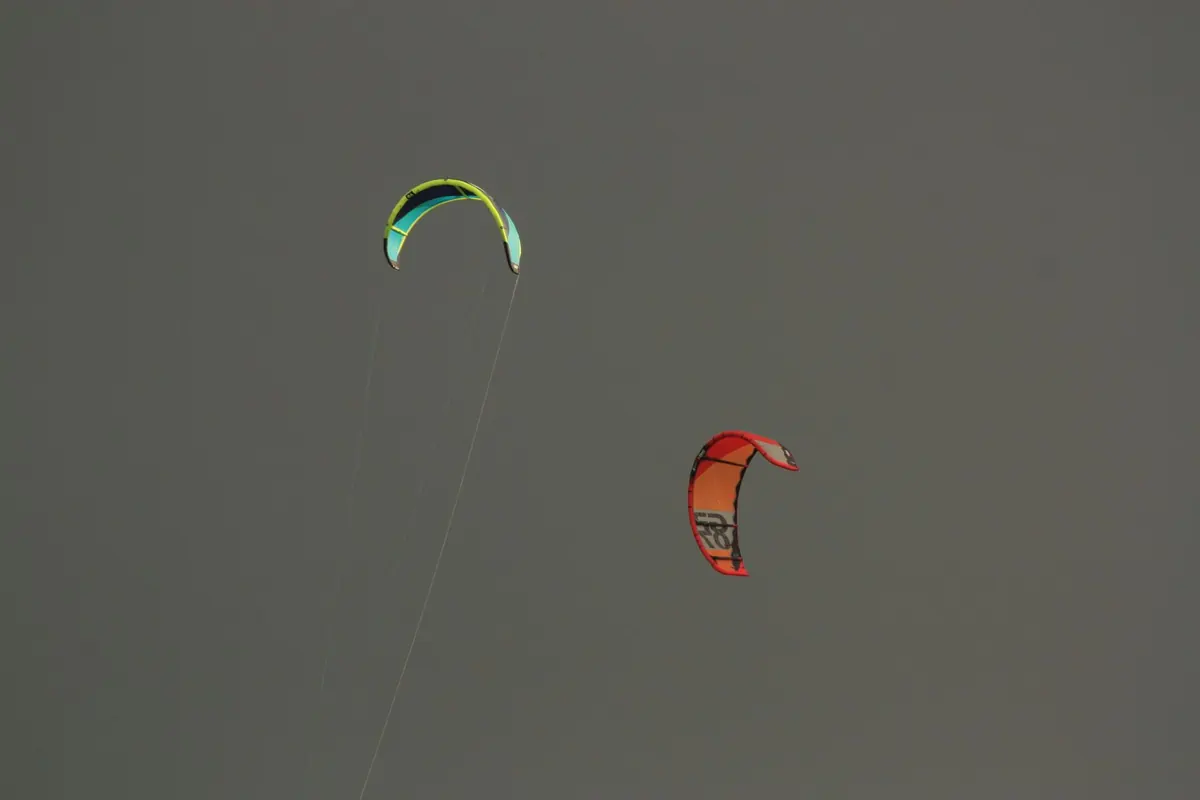
Photo: chriswanders / Pixabay