September 27, 2026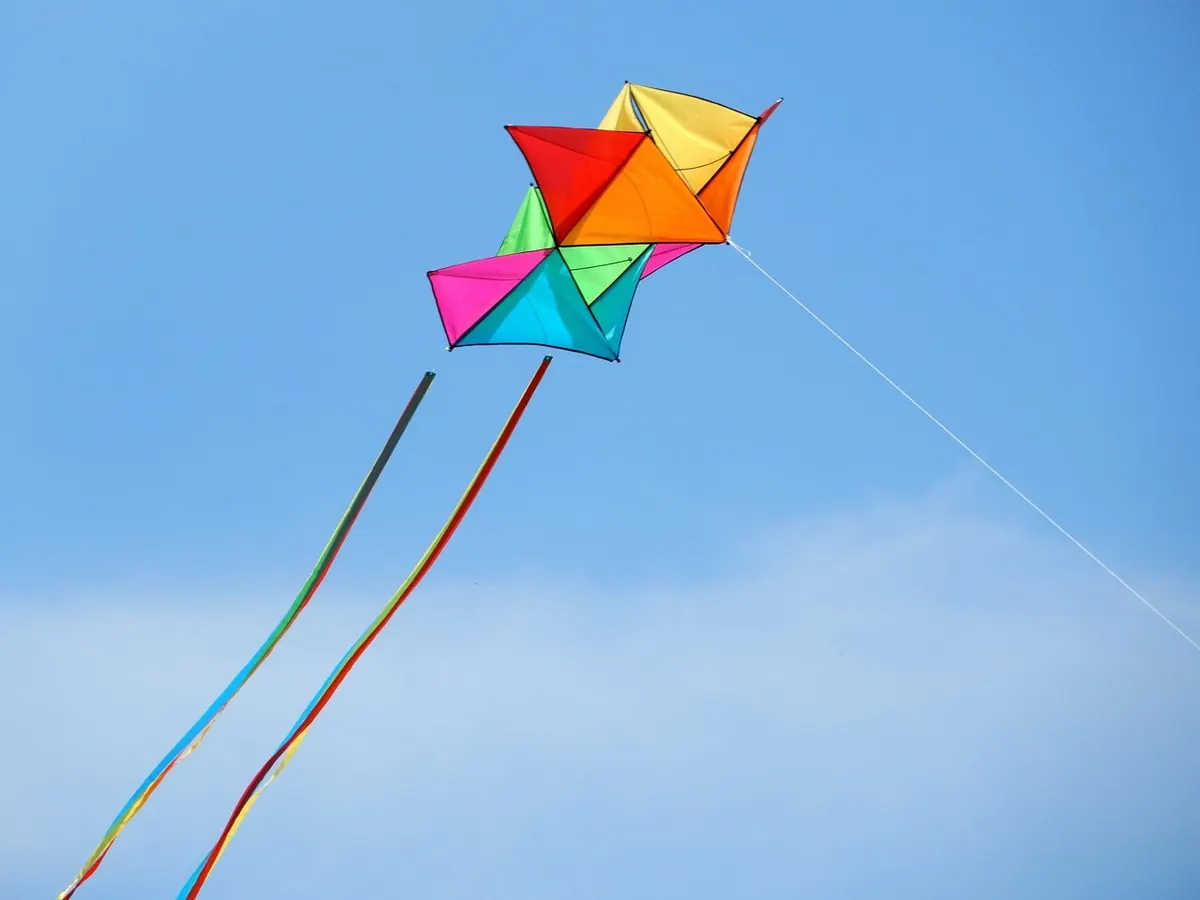
Fifty pounds buys a genuinely good first kite. Not a toy that flutters once and collapses, and not a competition-grade machine you would be nervous about crashing into the ground. It buys something that lifts off after a short walk, holds steady when the wind turns messy, and is still in one piece next summer.
The catch is that not every design suits every flying site. A gusty inland park, a wide flat beach and a breezy hilltop all ask different things of a kite. What follows compares the beginner types worth your money on the four things that actually matter, and flags the details that separate a kite that lasts from one that ends up in the bin by August.
What Actually Matters Under £50
Stability comes first. A kite that lurches side to side, dives at the edge of the wind window and needs constant correction will frustrate a beginner long before the wind drops. Look for a wide wingspan, a moderate aspect ratio and some kind of keel or spine that keeps the kite pointing into the wind when a gust hits.
Wind range is where the marketing copy gets vague. If you fly inland, you want a kite that holds its shape in a light breeze, because inland wind arrives in lumps rather than a steady push. A kite that needs a stiff breeze to leave the ground stays in the bag most weekends.
Durability decides how long you keep flying. Ripstop nylon or polyester with taped, double-stitched seams outlasts the thin polythene on supermarket kites by a wide margin. Rods matter less than their fittings: a fibreglass frame is perfectly good for a first kite, provided the ferrules and the nose reinforcement hold. Lines should be braided and pre-stretched; thin, springy line tangles into knots that take longer to undo than the flight lasts.
Ease of launch is the last piece. Single-line kites launch by hand and a short walk. Two-line kites need a helper or a ground stake. Soft kites fill with wind and rise on their own once they are shaped properly.
The Four Types Worth Considering
Delta kites
The safest first purchase for most people. The triangle shape, the keel running down the middle and the swept-back tips make deltas forgiving: they sit high, tolerate a choppy breeze and recover from a nosedive if you take up the slack. They fold flat, pack into a sleeve and fly from around six miles per hour. A long ribbon tail adds drag and calms a twitchy kite, but it also caps how high it will sit, so many fliers leave the tail off in a steady breeze.
Diamond kites
Still charming on a light summer evening. Diamonds are slower and gentler than deltas, which makes them excellent for young children who want to hold the line themselves. They are less tolerant of gusty or stronger wind and usually need a tail to stay settled. Buy one for calm conditions and a small flier, not as an all-rounder.
Soft kites and parafoils
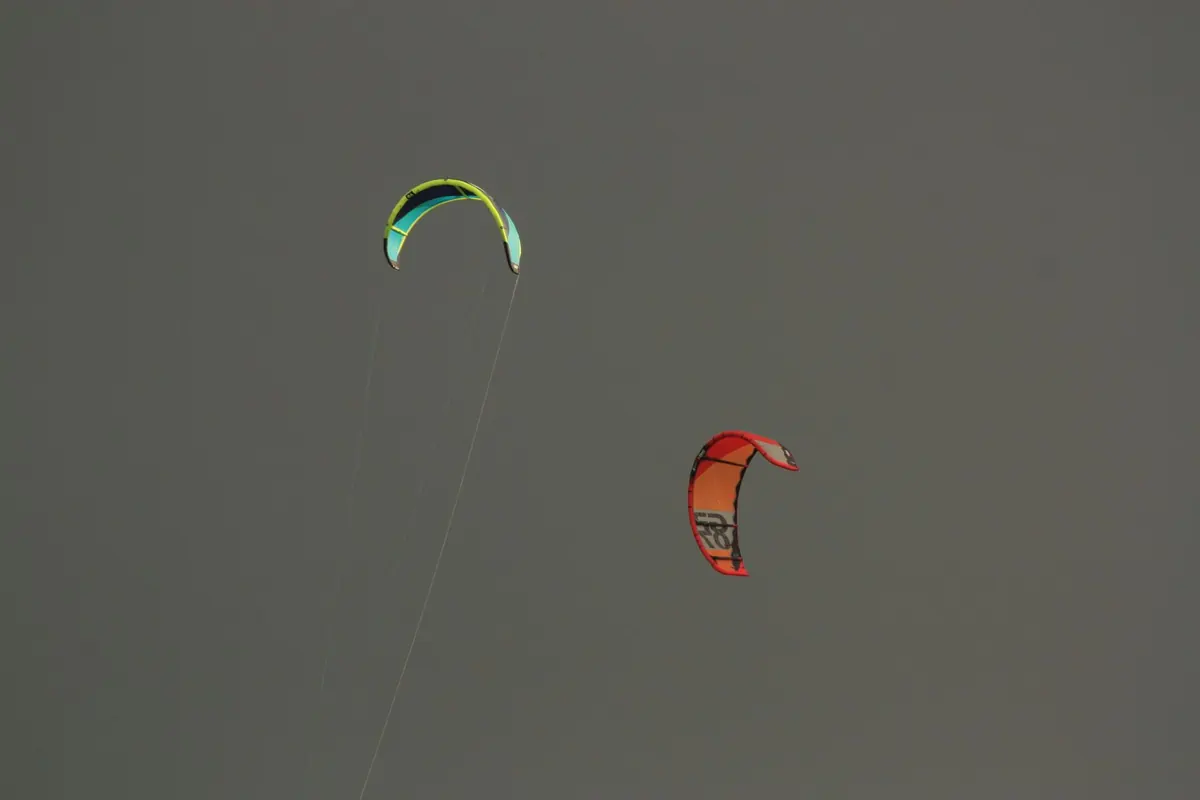
No rods, no broken spars. Fabric cells inflate and hold the shape, so a hard landing costs nothing. They pack down small, which makes them ideal for the beach or for travelling. The trade-offs: they need a reasonably steady breeze to inflate, they are awkward to relaunch once they land face-down and deflate, and they pull harder on the line than a framed kite of similar size, which matters with children on the other end.
Small two-line trainers
This is a step up rather than a starting point. Two lines give you steering, which means turns, loops and eventually figure-of-eights. The learning curve is real — expect the first session to be about launching — but the reward is a kite you will not outgrow in a fortnight. You need a helper to launch, a clear area and some patience.
Wind Range and the British Forecast
Wind is the variable you cannot control, so buy for the conditions you actually get. As a rough guide, force 2 to 3 on the Beaufort scale — leaves in constant motion, small twigs moving — is the sweet spot for most beginner single-line kites. Force 4 will fly a delta well but starts to test cheap frames and lines. Below force 2, only the lightest kites stay up.
Check the gust spread, not just the average. A forecast of "8 mph gusting 22" is a very different day from a steady 8, and the first will punish a kite with a narrow wind range. Inland flying brings turbulence from trees, fences and buildings; a beach or an open field with a clean upwind fetch is far kinder. Local kite shops and clubs usually know which nearby sites work in which wind direction, and that knowledge is worth more than any specification.
Durability: Where Cheap Kites Fail
- Seams. Taped and double-stitched hems hold; single stitching and glued joints let go in a strong gust.
- The nose. It takes the impact on every nosedive, so a reinforced patch is a good sign.
- Fittings. Ferrules that slip, plastic clips that crack and bridle points that fray are the usual first failures.
- Lines. Braided Dacron and proper winders last. Thin, curly line stretches, tangles and snaps at the worst moment.
- The bag. A sleeve or stuff sack keeps grit out of the fabric and stops the frame bending in the car boot.
Launching: A Practical Sequence
- Pick the site: a clear field or beach with nothing overhead, no power lines, no roads and nobody directly downwind. Stay well away from airfields and never lay a line across a footpath.
- Stand with your back to the wind and let the kite sit on the ground downwind of you.
- For a single-line kite, hold it up by the spine, walk back until the line is taut, then release and pay out as it climbs.
- For a two-line kite, have a helper hold it upright, or stake the lines and walk back. Pull both hands to launch, then steer with small movements.
- To bring it down, walk towards the kite or pull the line in hand over hand. Wear gloves in a strong wind; a taut line moving fast will burn bare skin.
- Wind the line in a figure-of-eight around the winder so it pays out cleanly next time.
What to Buy for Whom
- First kite for a family with mixed ages: a medium delta with a detachable tail.
- Small children on a calm day: a light diamond, a long tail and a shorter line.
- Beach trips and travel: a soft parafoil that packs small and shrugs off rough landings.
- Teenager or adult who wants to learn properly: a small two-line trainer plus a spare set of lines.
Before You Buy: A Short Checklist
Check that the stated wind range overlaps with the breeze you usually get where you fly. Look for stitched seams, a reinforced nose, braided line and a proper winder. If nobody will be with you to help, choose a single-line or soft kite rather than a two-line one. Buy from a shop that stocks spars and lines separately, so a snapped rod costs you a few pounds rather than a new kite.
Keep the first session short and the expectations low. Ten minutes of flying in decent wind teaches more than an afternoon standing in a flat calm. If the wind dies, pack up and come back when the trees start to move.
Photo: Ktine01 / Pixabay